
Managing Sciatica: Sitting Tips for Relief
Are you experiencing that telltale shooting pain, numbness, or tingling sensation running down your leg? If so, you might be dealing with sciatica. This common condition can be incredibly disruptive, especially when you’re forced to sit for extended periods, whether at work, during a long commute, or simply relaxing at home. The good news? You don’t have to suffer in silence. With the right sitting tips for sciatica relief, you can significantly reduce your discomfort and reclaim your daily life.
In this comprehensive guide, we’ll dive deep into understanding sciatica, how sitting impacts it, and most importantly, practical, actionable strategies to sit comfortably and effectively manage your pain. We’ll explore everything from proper posture and ergonomic adjustments to specific exercises and lifestyle changes that can make a real difference. Think of this as your go-to resource for conquering sciatica while you sit.
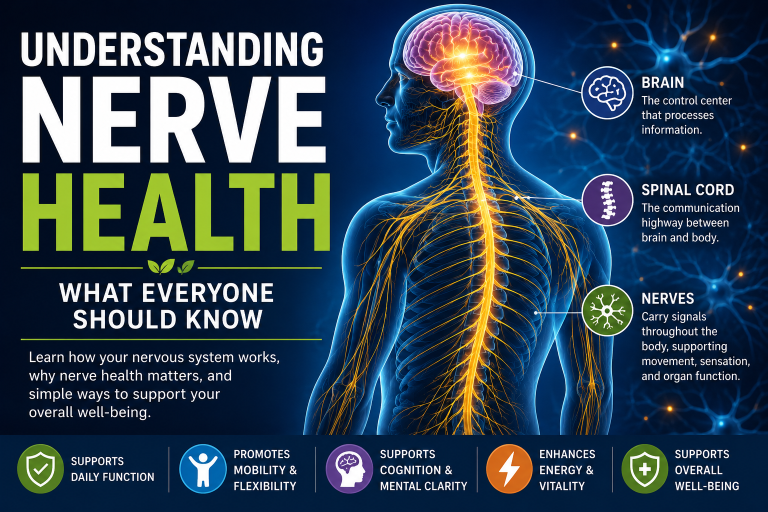
Before we jump into the solutions, let’s get a clear picture of what we’re up against. Sciatica isn’t a disease itself; it’s a symptom of an underlying problem affecting the sciatic nerve. This nerve, the longest and thickest in your body, originates in your lower back, runs through your buttocks, and branches down each leg. When this nerve gets irritated, compressed, or inflamed, you feel sciatica.
Common Causes of Sciatica
Several factors can lead to sciatica. Understanding the cause can help you tailor your approach to managing sciatica: sitting tips for relief.
- Herniated Disc: This is the most common culprit. When a disc in your spine bulges or ruptures, it can press directly on the sciatic nerve.
- Spinal Stenosis: A narrowing of the spinal canal can put pressure on the nerve roots, including the sciatic nerve.
- Piriformis Syndrome: The piriformis muscle, located deep in your buttock, can sometimes spasm or tighten, compressing the sciatic nerve that runs nearby or even through it.
- Degenerative Disc Disease: As you age, your spinal discs can wear down, leading to bone spurs or disc degeneration that impacts the nerve.
- Spondylolisthesis: This occurs when one vertebra slips forward over another, potentially pinching the sciatic nerve.
The Problem with Sitting and Sciatica
Now, why does sitting often exacerbate sciatica? When you sit, especially with poor posture, you put increased pressure on your lower back and the structures surrounding the sciatic nerve.
- Increased Spinal Compression: Sitting, particularly in a slouched position, rounds your lower back and increases the load on your spinal discs. This can push a herniated disc further out or worsen spinal stenosis.
- Muscle Tightness: Prolonged sitting can lead to tight hip flexors and shortened gluteal muscles, including the piriformis. A tight piriformis, as we discussed, can directly compress the sciatic nerve.
- Reduced Blood Flow: Static positions can decrease circulation to the affected area, hindering healing and increasing inflammation.
- Poor Posture Habits: Hunching over a computer or slumping on a couch puts your spine in an unnatural alignment, stressing nerve roots.
Recognizing these issues is the first step toward implementing effective sitting tips for sciatica relief.
If you’re struggling with sciatica pain and looking for effective ways to manage it, you might find helpful insights in a related article on our website. This resource offers practical tips on how to sit comfortably while dealing with sciatica, ensuring you maintain proper posture and reduce discomfort. For more information, visit the article here: How to Sit with Sciatica Pain.
Master Your Posture: The Foundation of Sciatica Relief While Sitting
Your posture is paramount when it comes to managing sciatica: sitting tips for relief. Good posture isn’t just about looking elegant; it’s about aligning your spine naturally, minimizing stress on your discs and nerves.
Understanding Proper Sitting Posture
Imagine a string pulling you gently upwards from the crown of your head. This mental image can help guide you toward ideal posture.
- Feet Flat on the Floor: Your feet should be flat on the ground, or resting on a footrest if your chair is too high. Avoid crossing your legs, as this can increase hip imbalance and nerve compression.
- Knees at a 90-Degree Angle: Ensure your knees are roughly level with your hips or slightly below. This helps maintain the natural curve of your lower back.
- Straight Back, Natural Curve: Don’t slouch or lean too far forward. Your lower back should have a slight, natural inward curve. You can achieve this by engaging your core lightly.
- Shoulders Relaxed and Back: Avoid hunching your shoulders forward. Let them relax down and gently roll them back.
- Head Aligned with Your Spine: Keep your head level, looking straight ahead, not craning your neck up or down. Your ears should be directly above your shoulders.
Tips for Maintaining Good Posture Consistently
- Set Reminders: Use your phone or computer to remind you every 30-60 minutes to check your posture.
- Use Visual Cues: Place a sticky note on your monitor or a specific object in your line of sight to trigger a posture check.
- Practice Active Sitting: Don’t just sit; sit actively. Engage your core muscles subtly to support your spine.
Ergonomic Adjustments: Your Allies in Sciatica Management

Even with perfect posture knowledge, the wrong chair or workstation setup can sabotage your efforts. Ergonomics plays a crucial role in providing permanent sitting tips for sciatica relief.
Choosing the Right Chair for Sciatica
Not all chairs are created equal when you have sciatica. Invest wisely in a chair that supports your spinal health.
- Adjustable Lumbar Support: This is non-negotiable. A good ergonomic chair will allow you to adjust the lumbar support both vertically and horizontally to perfectly cradle the natural curve of your lower back.
- Seat Depth and Height: Ensure the seat depth allows for a few inches between the edge of the seat and the back of your knees, preventing pressure on your circulation. The height should allow your feet to be flat on the floor with knees at a 90-degree angle.
- Armrests: Adjustable armrests can help support your upper body and reduce tension in your shoulders and neck, preventing a cascade of poor posture downward.
- Swivel and Wheels: These features allow for easy movement and prevent twisting and straining your back when reaching for items.
Optimizing Your Workspace
Your entire workstation needs to be sciatica-friendly, not just your chair.
- Monitor Height: Position your monitor so the top third of the screen is at eye level. This prevents neck strain and discourages slouching.
- Keyboard and Mouse Placement: Keep your keyboard and mouse close to your body to avoid reaching, which can strain your shoulders and back. Consider an ergonomic keyboard and mouse if you type extensively.
- Use a Footrest: If your feet can’t comfortably rest flat on the floor, a footrest is essential. It helps maintain the correct knee angle and reduces pressure on your lower back.
- Declutter Your Space: A clean, organized workspace reduces the need to twist and reach awkwardly, which can aggravate sciatica.
Accessories for Added Comfort and Sciatica Relief
Sometimes, a few strategic accessories can make all the difference.
- Lumbar Support Pillow: If your current chair lacks adequate lumbar support, a good quality lumbar pillow can provide the necessary curve and pressure relief. Look for one made of memory foam that conforms to your back.
- Coccyx Cushion/Donut Cushion: These cushions are designed to relieve pressure on your tailbone and, by extension, the lower back and sciatic nerve. They often have a cutout at the back to suspend the tailbone.
- Standing Desk Converter: Integrating a standing desk or a converter allows you to alternate between sitting and standing throughout the day, significantly reducing prolonged pressure on your spine. This is one of the most effective sitting tips for sciatica relief as it encourages movement.
Movement is Medicine: Active Strategies for Sciatica Sitting Relief

While proper sitting is crucial, prolonged sitting, even with perfect posture, is detrimental. The human body is designed for movement. Incorporating regular breaks and specific movements is vital for managing sciatica: sitting tips for relief.
The “Micro-Break” Strategy
Don’t wait until you’re in significant pain to move. Regular, short breaks are your secret weapon.
- Stand Up Every 30-60 Minutes: Set a timer! Stand up, stretch, walk a few steps, and move around for 1-2 minutes. This simple act can dramatically reduce spinal compression and improve blood flow.
- Gentle Stretches at Your Desk: Even without leaving your chair, you can perform effective stretches.
- Seated Gentle Spinal Twist: Gently twist your upper body to one side, holding onto the back of your chair, then repeat on the other side.
- Seated Hip Flexor Stretch: Scoot to the edge of your chair, extend one leg back, and gently press your hips forward to feel a stretch in the front of your hip.
- Seated Piriformis Stretch: Cross one ankle over the opposite knee. Gently lean forward from your hips, keeping your back straight, until you feel a stretch in your glute.
Walk It Off
Walking is one of the best low-impact exercises for sciatica.
- Short Walks: Take a 5-10 minute walk during your lunch break or around the office every few hours.
- Focus on Posture: Even when walking, maintain good posture, engaging your core, and letting your arms swing naturally.
Incorporate Gentle Exercises and Stretches
Beyond micro-breaks, dedicated gentle exercises can strengthen supportive muscles and increase flexibility, preventing sciatica flare-ups.
- Pelvic Tilts: While lying on your back with knees bent, gently flatten your lower back against the floor by tightening your abdominal muscles, then release. This strengthens your core and mobilizes your lower spine.
- Knee to Chest Stretch: Lie on your back and gently pull one knee towards your chest, holding it for 20-30 seconds. This can decompress the lower spine.
- Cat-Cow Stretch: On your hands and knees, arch your back like a cat, then drop your belly and lift your head like a cow. This gently mobilizes the entire spine.
- Glute Bridges: Lie on your back with knees bent, feet flat. Lift your hips toward the ceiling, forming a straight line from your shoulders to your knees. This strengthens your glutes and core.
These exercises are crucial components of any long-term strategy for managing sciatica: sitting tips for relief.
If you’re struggling with sciatica pain, finding the right way to sit can make a significant difference in your comfort levels. Many people overlook the importance of proper posture and seating arrangements, which can exacerbate their symptoms. For more detailed tips on managing sciatica while sitting, you might find this article helpful. It offers practical advice and techniques to alleviate discomfort, ensuring that you can maintain a more comfortable position throughout your day. You can read it here: sciatica pain relief tips.
Lifestyle and Nutritional Support for Sciatica Relief
| Position | Description |
|---|---|
| 1 | Use a chair with good lower back support |
| 2 | Sit with your knees at hip level or slightly higher |
| 3 | Avoid crossing your legs |
| 4 | Use a cushion or pillow for extra support |
| 5 | Take regular breaks to stand and stretch |
Beyond your sitting habits and exercises, your overall lifestyle and diet have a significant impact on inflammation and nerve health. These supporting elements are key to holistic sitting tips for sciatica relief.
Anti-Inflammatory Diet
Inflammation often plays a role in sciatica pain. An anti-inflammatory diet can help reduce this.
- Omega-3 Fatty Acids: Found in fatty fish (salmon, mackerel), flaxseeds, chia seeds, and walnuts. These are potent anti-inflammatory agents.
- Fruits and Vegetables: Load up on colorful produce, rich in antioxidants that fight inflammation. Berries, leafy greens, and cruciferous vegetables are excellent choices.
- Lean Protein: Support muscle repair and overall health with lean protein sources like chicken, turkey, beans, and lentils.
- Avoid Processed Foods: Limit sugar, refined carbohydrates, unhealthy fats, and processed foods, which can promote inflammation.
Staying Hydrated
Water is essential for healthy disc function. Discs are primarily made of water; staying hydrated helps them remain plump and flexible, acting as effective shock absorbers.
- Drink Plenty of Water: Aim for at least 8 glasses of water a day, more if you’re active.
Weight Management
Excess body weight, particularly around the midsection, puts additional strain on your lower back and spinal discs.
- Maintain a Healthy Weight: Losing even a few pounds can significantly reduce pressure on your sciatic nerve. Combine a balanced diet with regular exercise.
Quitting Smoking
Smoking reduces blood flow to spinal tissues, including discs, leading to degeneration and slower healing. It can also exacerbate nerve pain.
- Seek Support to Quit: Quitting smoking is one of the best things you can do for your overall health, including your spine.
If you’re struggling with sciatica pain and looking for effective ways to find relief, you might find it helpful to explore techniques on how to sit comfortably. This can significantly impact your overall well-being and help alleviate discomfort. For more detailed guidance, you can check out this informative article on sciatica pain relief that offers valuable tips and strategies to improve your sitting posture and reduce pain.
When to Seek Professional Help for Sciatica
While these sitting tips for sciatica relief can provide significant comfort and management, it’s crucial to know when to consult a healthcare professional.
Warning Signs that Require Medical Attention
- Worsening Pain: If your pain intensifies despite self-care, or if it spreads to other areas.
- Weakness or Loss of Function: If you experience leg weakness, foot drop (difficulty lifting the front part of your foot), or loss of bowel or bladder control (Cauda Equina Syndrome – a medical emergency).
- Numbness or Tingling in the Groin Area: Another potential sign of Cauda Equina Syndrome.
- Pain Following an Injury: If your sciatica started after a fall or accident.
- No Improvement After a Few Weeks: If your symptoms don’t improve with conservative management after 4-6 weeks.
A doctor can accurately diagnose the cause of your sciatica and recommend appropriate treatments, which may include physical therapy, medication, or in rare cases, surgery.
FAQs for Managing Sciatica: Sitting Tips for Relief
1. What’s the best sleeping position if I have sciatica?
Sleeping on your back with a pillow under your knees can help maintain the natural curve of your spine and reduce pressure on the sciatic nerve. If you prefer sleeping on your side, place a pillow between your knees to keep your hips and spine aligned. Avoid sleeping on your stomach, as it can worsen lumbar curvature.
2. Can specific cushions really help with sciatica while sitting?
Yes, absolutely. A good quality lumbar support pillow can help maintain the natural curve of your lower back, preventing slouching. A coccyx cushion or donut cushion can relieve direct pressure on your tailbone and lower spine, redistributing weight and reducing nerve compression. Make sure they are firm enough to provide support but comfortable.
3. How often should I get up and move if I have sciatica and have to sit for work?
Aim to get up and move for at least 1-2 minutes every 30-60 minutes. Set a timer as a reminder. This short break allows your spine to decompress, improves circulation, and reduces muscle tightness. Incorporate gentle stretches during these breaks.
4. Are there any specific exercises I should avoid if I have sciatica?
Generally, avoid exercises that involve excessive twisting of the spine, heavy lifting with poor form, or deep forward folds that put significant strain on your lower back, especially during an acute flare-up. Listen to your body; if an exercise causes sharp or increasing pain, stop immediately. Consulting a physical therapist can help you identify safe and effective exercises tailored to your specific condition.
5. What role does hydration play in sciatica relief?
Hydration is crucial. Your spinal discs are mostly water. Staying well-hydrated helps keep these discs plump and flexible, allowing them to absorb shock effectively and reducing the risk of disc-related compression on the sciatic nerve. Aim for at least 8 glasses of water a day.
6. Can cold or heat therapy help when sitting with sciatica?
Both cold and heat can offer temporary relief.
- Cold Therapy: Apply an ice pack (wrapped in a cloth) to the painful area for 15-20 minutes, several times a day. This can reduce inflammation, especially during acute flare-ups.
- Heat Therapy: A warm bath, heating pad, or hot compress can soothe tight muscles and improve blood flow, often providing comfort after the initial inflammatory phase. Experiment to see which works best for you.
7. Is it okay to use an office chair for gaming if I have sciatica?
If your office chair is ergonomically designed with adjustable lumbar support, seat depth, and armrests, then it can certainly be suitable for gaming. The key is to ensure it provides adequate support and encourages good posture during extended gaming sessions. If your current gaming chair lacks these features, consider upgrading to an ergonomic office chair or supplementing with lumbar and coccyx cushions.
Embracing a Pain-Free Sitting Experience
Managing sciatica: sitting tips for relief isn’t about avoiding sitting altogether; it’s about making smart, informed choices that empower you to sit comfortably and without pain. By understanding the causes of sciatica, mastering proper posture, optimizing your workspace ergonomics, incorporating regular movement, and supporting your body with a healthy lifestyle, you can significantly reduce your discomfort.
Remember, consistency is key. Small, consistent changes can lead to monumental improvements in your quality of life. Don’t let sciatica control your day. Take charge with these actionable tips, and if you ever need more in-depth guidance or product recommendations to support your journey, explore the excellent resources and articles on SciaticNervePainRelief.shop. Your relief is within reach!
FAQs
What is sciatica pain?
Sciatica pain is caused by irritation or compression of the sciatic nerve, which runs from the lower back down through the buttocks and into the legs. This can result in pain, numbness, tingling, or weakness in the lower back, buttocks, and legs.
How should I sit with sciatica pain?
When sitting with sciatica pain, it’s important to maintain good posture and support for the lower back. Use a chair with proper lumbar support, sit with your feet flat on the floor, and avoid crossing your legs. Consider using a cushion or pillow for additional support.
Are there specific sitting positions that can help alleviate sciatica pain?
Sitting with sciatica pain can be more comfortable if you sit on a firm, supportive chair with your knees at hip level and your feet flat on the floor. Avoid sitting for long periods of time and take regular breaks to stand, stretch, and walk around.
What are some tips for sitting at work with sciatica pain?
If you have a desk job, make sure your workstation is ergonomically set up to support your lower back. Use a chair with proper lumbar support, adjust the height of your chair and desk to maintain good posture, and consider using a standing desk or a kneeling chair to alleviate pressure on the lower back.
When should I seek medical attention for sciatica pain?
If you experience severe or worsening pain, numbness, or weakness in the lower back, buttocks, or legs, it’s important to seek medical attention. A healthcare professional can provide a proper diagnosis and recommend appropriate treatment options, which may include physical therapy, medication, or in some cases, surgery.