
How Long Does Sciatica Last? Exploring Duration
You’ve been dealing with that shooting, tingling, or numb pain that travels down your leg, and you’re wondering, “How long does sciatica actually last?” It’s a nagging question, and frankly, the answer isn’t a simple one-size-fits-all. But understanding the typical timeline, the factors that influence it, and what you can do to help speed up your recovery is key to getting back to feeling like yourself. We’re going to dive deep into what you can expect with sciatica duration and equip you with the knowledge to manage it.
The Basics: What is Sciatica and Why Does It Happen?
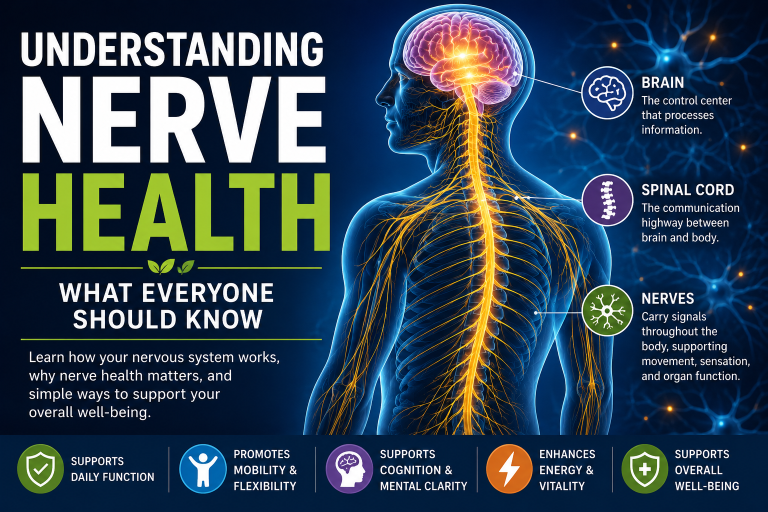
Before we tackle the duration, let’s quickly recap what sciatica is. It’s not a diagnosis in itself, but rather a symptom of an underlying issue that irritates or compresses the sciatic nerve – the longest nerve in your body, running from your lower back, through your hips and buttocks, and down each leg.
Common Causes of Sciatica:
- Herniated Disc: This is probably the most frequent culprit. Your spinal discs act as cushions between your vertebrae. If the soft inner material pushes through the tough outer layer, it can press on the sciatic nerve.
- Spinal Stenosis: This is a narrowing of the spinal canal, which can put pressure on the nerves, including the sciatic nerve.
- Spondylolisthesis: This condition occurs when one of your vertebrae slips forward over the one below it, potentially pinching the nerve.
- Piriformis Syndrome: The piriformis muscle is located deep in your buttock. If it becomes tight or spasms, it can irritate the sciatic nerve that runs nearby.
- Degenerative Disc Disease: As we age, our spinal discs can lose hydration and shrink, leading to irritation of the nerves.
- Injury or Trauma: A fall or direct blow to the back or hip can also compress the sciatic nerve.
Understanding the root cause is crucial because it directly impacts how long sciatica lasts.
If you’re wondering how long sciatica lasts, it’s important to consider various factors that can influence the duration of symptoms. For instance, lifestyle changes and nutritional support can play a significant role in recovery. One related article that discusses the benefits of Vitamin B complex, which may aid in nerve health and potentially alleviate sciatica symptoms, can be found here: Benefits of Vitamin B Complex. This resource provides insights into how proper nutrition can support your journey toward relief from sciatica.
Understanding Sciatica Duration: The Typical Timeline
So, you’re experiencing sciatica. What’s the general timeframe you’re looking at for relief? While it varies, many people see significant improvement within a few weeks to a few months.
Short-Term Sciatica:
For many, sciatica is an acute condition, meaning it comes on suddenly and resolves relatively quickly. This is often the case with muscle strains or temporary inflammation.
- Acute Episodes: These might last anywhere from a few days to a couple of weeks. You might feel intense pain that gradually subsides as the underlying cause resolves.
- Rapid Recovery Factors: Prompt and proper treatment, a non-severe underlying cause (like muscle strain), and an active recovery approach often lead to a shorter duration.
Long-Term Sciatica:
In some cases, sciatica can become chronic, meaning it persists for longer periods, often three months or more, or it recurs frequently.
- Chronic Conditions: This can be more challenging and may involve ongoing management strategies. It often stems from more persistent underlying issues like severe spinal stenosis or degenerative disc disease.
- Recurrent Episodes: You might experience periods of relief followed by a return of symptoms, which can be frustrating but is also manageable with the right approach.
It’s important to remember that these are just general guidelines. Your personal experience with sciatica duration will be unique to your situation.
Factors Influencing How Long Sciatica Lasts
What makes one person’s sciatica resolve in two weeks while another’s lingers for months? Several factors play a significant role in determining sciatica duration.
The Underlying Cause
As we’ve touched on, the specific reason for your sciatic nerve irritation is the biggest predictor of how long you’ll experience symptoms.
- Herniated Disc Severity: A small, contained herniation might heal on its own relatively quickly. A large, extruded herniation might take longer or require medical intervention.
- Spinal Stenosis: This is often a progressive condition, meaning it can worsen over time, and while symptoms can be managed, complete resolution might be difficult without surgery.
- Piriformis Syndrome: This can sometimes be managed with stretching and physical therapy, leading to a shorter duration. However, if the muscle is severely spasming or if other factors are contributing, it might take longer.
- Degenerative Changes: These are often age-related and ongoing, meaning sciatica might be a recurring issue unless managed effectively.
Early Diagnosis and Treatment
Seeking professional help as soon as you notice sciatica symptoms is crucial for a faster recovery and a shorter sciatica duration.
- Prompt Medical Evaluation: A doctor can accurately diagnose the cause of your sciatica, which is the first step to effective treatment.
- Appropriate Treatment Plan: Getting the right treatment early – whether it’s medication, physical therapy, or other interventions – can prevent the condition from worsening and help you heal faster.
- Delayed Treatment Consequences: Putting off medical attention can sometimes lead to more chronic pain, increased nerve damage, and a longer recovery period.
Lifestyle Factors and Personal Habits
Your daily habits and choices can significantly impact how long your sciatica lasts.
- Activity Level During Recovery: While rest is sometimes necessary initially, prolonged inactivity can weaken muscles and worsen stiffness, potentially prolonging sciatica duration. Gentle movement is often key.
- Proper Body Mechanics: Lifting heavy objects incorrectly, prolonged sitting, and poor posture can all aggravate the sciatic nerve and hinder healing. Learning and implementing proper techniques is vital.
- Stress Management: Chronic stress can lead to muscle tension, which can worsen sciatica symptoms. Finding ways to relax and de-stress can be beneficial.
Age and Overall Health
Your age and general health status can also play a role in your recovery time.
- Age-Related Healing: Younger individuals may heal faster due to more resilient tissues.
- Comorbidities: Pre-existing health conditions like diabetes or obesity can sometimes complicate recovery and potentially extend sciatica duration.
- Overall Fitness: Being generally fit and having strong core muscles can support your spine and aid in recovery.
Treatment Options to Shorten Sciatica Duration
The good news is that there are many effective treatment options available to help you manage sciatica and potentially shorten its duration.
Conservative Treatments (Non-Surgical)
For most people, conservative treatments are highly effective.
- Physical Therapy: This is often the cornerstone of sciatica treatment. A physical therapist can design a personalized program to:
- Reduce Pain: Through exercises and manual therapy.
- Improve Flexibility: Especially for tight muscles like the piriformis.
- Strengthen Core Muscles: This provides essential support for your spine.
- Teach Proper Body Mechanics: To prevent future flare-ups.
- Medications: Your doctor may prescribe:
- Pain Relievers: Over-the-counter options like ibuprofen or naproxen can reduce inflammation and pain.
- Muscle Relaxants: To alleviate muscle spasms that may be contributing to nerve compression.
- Nerve Pain Medications: In some cases, medications like gabapentin might be prescribed for neuropathic pain.
- Heat and Cold Therapy: Applying ice packs initially can reduce inflammation, while heat packs later on can help relax muscles and ease stiffness.
- Stretching and Gentle Exercise: As mentioned, controlled movements are crucial. Specific stretches can be very beneficial.
- Knee-to-Chest Stretch: Lie on your back, bring one knee towards your chest, holding for 20-30 seconds. Repeat on the other side.
- Piriformis Stretch: Lie on your back with knees bent. Cross one ankle over the opposite knee and gently pull the opposite thigh towards your chest.
- Cat-Cow Stretch: On your hands and knees, alternate between arching your back upwards (like a cat) and dropping your belly downwards (like a cow).
More Invasive Treatments (When Necessary)
If conservative treatments don’t provide relief, your doctor might discuss other options.
- Epidural Steroid Injections: These injections deliver anti-inflammatory medication directly to the space around the affected nerve root, which can provide significant pain relief, though the effects are often temporary.
- Surgery: Surgery is typically considered a last resort when conservative treatments have failed and there is significant nerve compression causing severe or progressive symptoms, such as significant weakness or loss of bowel or bladder control. Procedures can include discectomy (removing part of a herniated disc) or laminectomy (removing part of the bone to relieve pressure).
If you’re wondering about the duration of sciatica, it’s important to consider various factors that can influence recovery time. Many individuals experience relief within a few weeks, while others may face persistent symptoms for months. For a deeper understanding of the condition and its management, you can explore a related article that discusses effective strategies and insights. To learn more, visit this informative resource that provides valuable information on sciatica and its treatment options.
Exercises and Movement for Sciatica Recovery
Movement is often your ally when it comes to managing sciatica duration. The key is to engage in the right kind of movement.
Gentle Strengthening Exercises
Building strength in your core and back muscles can provide better support for your spine and reduce pressure on the sciatic nerve.
- Bridge Pose: Lie on your back with knees bent and feet flat on the floor. Gently lift your hips off the floor, squeezing your glutes. Hold for a few seconds and lower.
- Bird-Dog: Start on your hands and knees. Extend one arm forward and the opposite leg straight back, keeping your core engaged and back straight. Hold briefly and switch sides.
- Plank: While this can be challenging, a modified plank (on your knees) can help build core strength. Focus on keeping your body in a straight line.
Flexibility and Stretching Routines
Improving flexibility, particularly in your hamstrings, glutes, and hip flexors, can alleviate tension on the sciatic nerve.
- Hamstring Stretches: Lying on your back, use a towel or strap to gently pull one leg towards you, keeping it as straight as possible.
- Hip Flexor Stretch: Kneel on one knee with the other foot forward. Gently push your hips forward, feeling a stretch in the front of your hip.
- Pelvic Tilts: Lie on your back with knees bent. Gently flatten your lower back against the floor by tightening your abdominal muscles and tilting your pelvis upwards.
Important Note: Always consult with your doctor or physical therapist before starting any new exercise program, especially when dealing with sciatica. They can guide you on what’s safe and effective for your specific condition.
Nutrition and Supplementation for Sciatica Management
While not a magic bullet, a healthy diet and certain supplements might play a supportive role in managing sciatica and potentially influencing sciatica duration.
Anti-Inflammatory Foods
Reducing inflammation throughout your body can help calm irritated nerves.
- Omega-3 Fatty Acids: Found in fatty fish (salmon, mackerel), flaxseeds, chia seeds, and walnuts. These have powerful anti-inflammatory properties.
- Fruits and Vegetables: Rich in antioxidants and vitamins, these help combat cellular damage. Think berries, leafy greens, broccoli, and bell peppers.
- Turmeric and Ginger: These spices are renowned for their anti-inflammatory compounds. Incorporate them into your cooking or consider a turmeric latte.
- Whole Grains: Opt for brown rice, quinoa, and oats over refined grains for sustained energy and fiber.
Hydration is Key
Dehydrated spinal discs can contribute to disc problems. Ensure you’re drinking enough water throughout the day.
Potential Supplements
Discuss any supplements with your healthcare provider before taking them, as they can interact with medications or have contraindications.
- Magnesium: May help relax muscles and can be beneficial for nerve function.
- Vitamin D: Low levels of Vitamin D have been linked to chronic pain.
- Curcumin: The active compound in turmeric, often available in higher concentrations as a supplement.
- Glucosamine and Chondroitin: Sometimes recommended for joint health, which can indirectly support spinal health.
Remember, supplements are meant to supplement a healthy diet and lifestyle, not replace them.
Lifestyle Tips to Avoid Prolonging Sciatica
Making conscious lifestyle adjustments can significantly impact your recovery and help prevent future sciatica episodes.
- Maintain Good Posture: Whether sitting, standing, or lifting, be mindful of your posture. Use lumbar support when sitting, stand with your shoulders back, and avoid slouching.
- Ergonomic Adjustments: Optimize your workspace to support good posture. Ensure your chair, desk height, and monitor position are conducive to a healthy spine.
- Take Regular Breaks: If you have a sedentary job, get up and move around every 30-60 minutes to avoid prolonged pressure on your spine.
- Proper Lifting Techniques: Always bend your knees, keep your back straight, and lift with your legs, not your back.
- Manage Weight: Excess weight, especially around the abdomen, can put added strain on your spine.
- Quit Smoking: Smoking can impede healing and contribute to degenerative disc disease.
- Stress Management Techniques: Practice mindfulness, meditation, deep breathing exercises, or engage in hobbies that help you relax.
By incorporating these tips, you take a proactive approach to your health, which can positively influence sciatica duration and overall well-being.
Conclusion: Taking Control of Your Sciatica Duration
Understanding how long sciatica lasts is the first step towards managing it effectively. While there’s no single answer due to the variety of causes, your individual health, and the promptness of treatment, you have the power to influence your recovery. By seeking professional medical advice, adhering to prescribed treatments, incorporating targeted exercises, adopting a nutrient-rich diet, and making mindful lifestyle adjustments, you can work towards a shorter and less severe sciatica experience.
Remember, patience and consistency are key. Don’t get discouraged if you don’t see immediate results. Continue to work with your healthcare providers, listen to your body, and celebrate small victories.
For more in-depth information and resources to help you on your journey to sciatica relief, explore the related articles at SciaticNervePainRelief.shop. You’ll find a wealth of helpful content designed to empower you with knowledge and actionable strategies. Your road to recovery starts with informed action.
Frequently Asked Questions About Sciatica Duration
1. What is the average duration for sciatica pain?
The average duration for sciatica pain can vary significantly. For many people, acute sciatica resolves within 4 to 6 weeks with conservative treatment. However, for some, it can persist for several months or even become chronic, lasting longer than three months. The underlying cause, severity, and individual response to treatment are major factors.
2. Can sciatica disappear on its own without treatment?
In many cases, mild sciatica caused by temporary inflammation or muscle strain can resolve on its own over time as the body heals. However, for sciatica stemming from more significant issues like a large herniated disc or spinal stenosis, seeking medical evaluation and treatment is highly recommended to prevent further nerve damage and to ensure the quickest possible recovery.
3. What activities should I avoid if I have sciatica?
You should generally avoid activities that exacerbate your pain or put undue stress on your spine. This typically includes heavy lifting, prolonged sitting without proper support or breaks, high-impact exercises (like running), twisting motions, and sudden, jerky movements. Your doctor or physical therapist will provide specific recommendations based on your condition.
4. How can I speed up my recovery from sciatica?
You can help speed up your recovery by following your doctor’s or physical therapist’s treatment plan diligently, including regular participation in prescribed exercises and stretches. Maintaining good posture, avoiding aggravating activities, managing stress, and eating an anti-inflammatory diet can also support your healing process. Early intervention is often key.
5. Is it normal for sciatica pain to come and go?
Yes, it can be normal for sciatica pain to fluctuate and even come and go, especially if the underlying cause is recurrent or if you have chronic conditions like degenerative disc disease or spinal stenosis. Periods of flare-up can occur due to increased stress on the spine, certain movements, or inflammation. Consistent management strategies are crucial for controlling these recurring symptoms.
FAQs
What is sciatica?
Sciatica is a condition characterized by pain that radiates along the path of the sciatic nerve, which runs from the lower back, through the hips and buttocks, and down each leg.
How long does sciatica typically last?
The duration of sciatica can vary widely from person to person. In many cases, sciatica will improve on its own within a few weeks to a few months. However, some individuals may experience chronic or recurring sciatic pain.
What are the common causes of sciatica?
Sciatica is often caused by a herniated or slipped disc, which puts pressure on the sciatic nerve. Other common causes include spinal stenosis, degenerative disc disease, and injury or trauma to the spine.
What are the treatment options for sciatica?
Treatment for sciatica may include over-the-counter or prescription pain medications, physical therapy, hot or cold therapy, and in some cases, epidural steroid injections or surgery.
When should I seek medical attention for sciatica?
If you experience severe or worsening pain, numbness or weakness in the legs, or loss of bowel or bladder control, it is important to seek medical attention immediately, as these symptoms may indicate a more serious underlying condition.