
Causes of Sciatica Flare-Ups
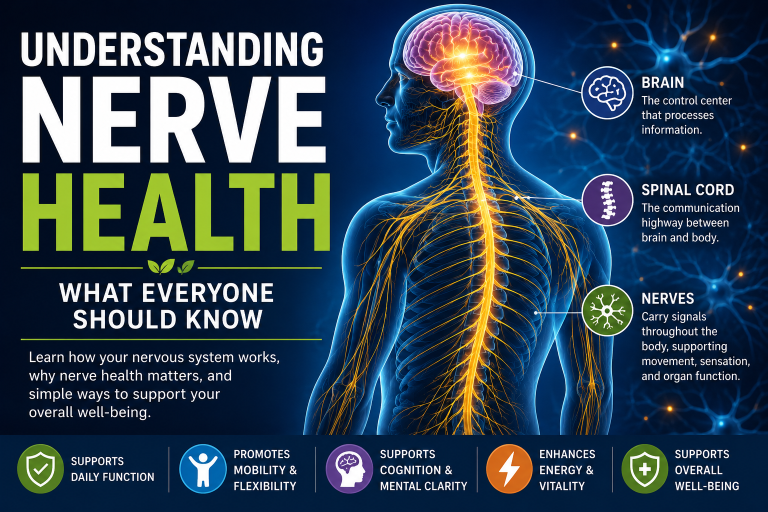
Understanding the Causes of Sciatica Flare-Ups is your first step toward effective relief. If you’ve ever experienced that tell-tale shooting pain from your lower back down your leg, you know how debilitating it can be. Sciatica isn’t a condition itself, but rather a symptom, indicating compression or irritation of your sciatic nerve. This nerve, the largest in your body, originates in your lower spine and branches down each leg. When it’s inflamed, you feel the burn, electric shock, or dull ache that is a sciatica flare-up.
Imagine your sciatic nerve as a superhighway for signals between your brain and legs. When there’s a roadblock on that highway, the signals get disrupted, leading to pain, numbness, or tingling. Knowing what causes these roadblocks can empower you to take control and minimize their occurrence. We’re going to break down the most common triggers, giving you actionable insights to navigate your journey toward pain-free living. This isn’t just about managing symptoms; it’s about understanding the root causes so you can strategically avoid future flare-ups.
Many conditions can directly impinge upon your sciatic nerve, leading to excruciating sciatica flare-ups. Pinpointing the exact cause is crucial for effective treatment. Let’s explore the most frequent culprits.
Herniated or Slipped Disc
This is the most common cause of sciatica. Your spine is made up of vertebrae separated by soft, jelly-like discs that act as shock absorbers. When a disc herniates or “slips,” its soft inner core pushes out through a crack in the tougher outer layer. This bulging or leaking material can directly press on the sciatic nerve root.
- How it happens: Often, a herniated disc is the result of age-related wear and tear (degeneration) or sudden trauma from lifting heavy objects improperly, a fall, or a car accident.
- Flare-up mechanism: The displaced disc material directly irritates or compresses the delicate nerve fibers of the sciatic nerve, triggering intense pain.
- Symptoms: This typically causes sharp, shooting pain that radiates down one leg. You might also experience numbness, tingling, or muscle weakness in the affected leg or foot.
Spinal Stenosis
Spinal stenosis refers to the narrowing of the spinal canal, the space that houses your spinal cord and nerves. When this space narrows, it can put pressure on the sciatic nerve roots.
- How it happens: This condition usually develops gradually with age due to bone spurs (osteophytes), thickened ligaments, or bulging discs that encroach on the spinal canal.
- Flare-up mechanism: As you move, especially when standing or walking, the narrowed canal can further compress the nerve, leading to a flare-up. Sitting often relieves the pressure.
- Symptoms: Besides classic sciatica symptoms, you might notice leg pain that worsens with walking and improves with sitting or leaning forward (neurogenic claudication).
Piriformis Syndrome
The piriformis is a small muscle located deep in your buttock, connecting your sacrum (the triangular bone at the base of your spine) to the top of your thigh bone. The sciatic nerve usually runs under this muscle, but in some people, it can run through it.
- How it happens: When the piriformis muscle becomes tight, inflamed, or spasms, it can compress the sciatic nerve. This can be triggered by prolonged sitting, extensive running, or direct trauma to the buttock.
- Flare-up mechanism: The tight muscle acts like a vice, squeezing the sciatic nerve and causing irritation, leading to a sciatica flare-up.
- Symptoms: Pain is often localized to the buttock and can radiate down the back of the thigh. It typically worsens with activities that involve the piriformis muscle, such as climbing stairs, sitting for long periods, or rotating the hip.
Spondylolisthesis
Spondylolisthesis occurs when one vertebra slips forward over the one below it. This displacement can pinch the sciatic nerve as it exits the spinal canal.
- How it happens: It can be caused by a stress fracture in the vertebra (often seen in athletes), degenerative changes from aging, or even birth defects.
- Flare-up mechanism: The misaligned vertebra reduces the space available for the nerve root, causing compression and inflammation.
- Symptoms: Lower back pain is common, often accompanied by leg pain, numbness, and weakness characteristic of sciatica.
Trauma or Injury
Direct injury to your lower back or pelvis can also lead to sciatica flare-ups.
- How it happens: Falls, car accidents, or sports injuries can cause fractures, dislocations, or tissue damage that directly impacts the sciatic nerve.
- Flare-up mechanism: The resulting inflammation, swelling, and physical compression from damaged tissues or bone fragments can irritate the nerve.
- Symptoms: The onset of pain is usually sudden and corresponds directly to the injury.
Sciatica flare-ups can be triggered by various factors, including prolonged sitting, poor posture, and certain physical activities. Understanding these causes is essential for managing and preventing discomfort. For those seeking relief through physical activity, a related article discusses effective home stretches that can help alleviate sciatica pain. You can read more about these beneficial exercises by visiting this link: 5 Home Stretches to Relieve Sciatica Pain.
Lifestyle Factors That Trigger Sciatica Flare-Ups
Beyond direct nerve compression, certain daily habits and lifestyle choices can significantly contribute to or exacerbate sciatica flare-ups. Understanding these can help you modify your routine for better spinal health.
Poor Posture
Your posture plays a critical role in how stress is distributed throughout your spine. Slouching or maintaining awkward positions for extended periods puts undue pressure on your discs and nerves.
- Sitting for long periods: Many jobs require prolonged sitting, which can flatten the natural curve of your lower back, putting more pressure on your spinal discs.
- Standing improperly: Standing with excessive arching in your lower back or leaning unevenly can also strain spinal structures.
- Impact: Over time, poor posture can contribute to disc degeneration, muscle imbalances, and nerve compression, setting the stage for a sciatica flare-up.
Lack of Physical Activity
A sedentary lifestyle can weaken your core muscles, which are essential for supporting your spine.
- Weak core: Your abdominal and back muscles act like a natural corset for your spine. When they’re weak, your spine is less supported, making it more vulnerable to injury and misalignment.
- Reduced flexibility: Lack of movement can lead to stiffness in your hips and lower back, increasing the likelihood of muscle spasms that can irritate the sciatic nerve (e.g., piriformis muscle).
- Weight gain: Inactivity often goes hand-in-hand with weight gain, which adds extra strain on your lower back.
Improper Lifting Techniques
Lifting heavy objects incorrectly is a classic way to injure your lower back and potentially trigger a disc herniation, leading to a sciatica flare-up.
- Common mistake: Bending at your waist with straight legs puts immense strain on your lumbar spine.
- Correct technique: Always bend at your knees and hips, keeping your back straight, and lift with your legs. Hold the object close to your body.
- Impact: A sudden, incorrect lift can cause disc bulging or rupture, directly compressing the sciatic nerve.
Obesity
Carrying excess weight, especially around your midsection, places additional stress on your lower back.
- Increased load: More weight means more pressure on your spinal discs and vertebrae.
- Altered biomechanics: Obesity can change your center of gravity, causing your pelvis to tilt forward and increasing the curve in your lower back (lordosis), which can pinch nerves.
- Inflammation: Excess body fat is also associated with systemic inflammation, which can exacerbate nerve pain.
Smoking
Smoking is detrimental to overall health, including spinal health.
- Reduced blood flow: Nicotine constricts blood vessels, reducing the supply of oxygen and nutrients to your spinal discs. This can accelerate disc degeneration.
- Impaired healing: Smoking hinders the body’s natural healing processes, making it harder for spinal tissues to recover from injury.
- Increased inflammation: It contributes to chronic inflammatory states in the body, which can worsen nerve pain.
Medical Conditions and Genetic Predispositions

Sometimes, the causes of sciatica flare-ups are linked to underlying medical conditions or even your genetic makeup.
Diabetes
Diabetes, particularly when poorly controlled, can lead to nerve damage, a condition known as diabetic neuropathy.
- Nerve damage: High blood sugar levels can damage capillaries that supply nutrients to nerves, including the sciatic nerve.
- Symptoms: This can manifest as numbness, tingling, and pain, which can sometimes mimic or worsen sciatic pain.
- Flare-up mechanism: While not a direct compression, diabetic neuropathy can make the sciatic nerve more susceptible to irritation and pain from other, minor causes.
Tumors
Although rare, tumors along the spinal cord or those that grow near the sciatic nerve path can compress the nerve.
- Location: Tumors can be benign or malignant and can originate in the spine or spread from other parts of the body.
- Compression: As they grow, they can directly press on the sciatic nerve or its roots, causing pain, numbness, and weakness.
- Symptoms: This often presents with persistent and worsening pain, sometimes accompanied by unexplained weight loss, night sweats, or other systemic symptoms.
Infections
Infections, while uncommon, can affect the spine and potentially lead to sciatica.
- Spinal infections: Conditions like discitis (infection of the disc space) or osteomyelitis (infection of the bone) can cause inflammation and swelling that put pressure on spinal nerves.
- Abscesses: An epidural abscess (a collection of pus around the spinal cord) can also directly compress nerve roots.
- Symptoms: Infections typically present with severe localized pain, fever, chills, and general malaise, in addition to sciatic symptoms.
Genetic Predisposition
While not a direct cause, genetics can play a role in your susceptibility to conditions that lead to sciatica.
- Disc degeneration: Some people may be genetically predisposed to earlier or more severe disc degeneration, which increases the risk of herniated discs.
- Spinal anomalies: Certain congenital spinal anomalies or variations in spinal structure can make individuals more prone to nerve compression.
- Family history: If sciatica and related spinal problems run in your family, you might have an increased risk.
Psychological and Emotional Impact on Sciatica Flare-Ups

Beyond the physical, your mental and emotional state can also significantly influence the frequency and intensity of your sciatica flare-ups.
Stress and Anxiety
| Cause of Sciatica Flare Ups | Description |
|---|---|
| Prolonged Sitting | Sitting for long periods of time can put pressure on the sciatic nerve, leading to flare ups. |
| Heavy Lifting | Lifting heavy objects improperly can strain the back and aggravate the sciatic nerve. |
| Poor Posture | Slouching or maintaining poor posture can contribute to sciatica flare ups. |
| Obesity | Excess weight can put added pressure on the spine and exacerbate sciatic nerve pain. |
| Inactivity | Lack of physical activity can weaken the muscles supporting the spine, leading to flare ups. |
Chronic stress and anxiety can have a profound impact on your body, including how you perceive and experience pain.
- Muscle tension: Stress often leads to increased muscle tension, particularly in the lower back, hips, and glutes. This constant tension can put pressure on the sciatic nerve, especially the piriformis muscle.
- Heightened pain perception: When you’re stressed, your nervous system becomes more sensitized. This means you might perceive pain more intensely, making a mild irritation feel like a severe flare-up.
- Reduced coping mechanisms: Stress can deplete your energy and diminish your ability to cope with chronic pain effectively.
Depression
There’s a well-established link between chronic pain and depression. One can exacerbate the other in a vicious cycle.
- Pain amplification: Depression can contribute to a lower pain threshold, causing you to experience existing pain more severely.
- Reduced activity: Depression often leads to decreased physical activity, which can weaken core muscles, stiffen joints, and contribute to weight gain – all factors that can worsen sciatica.
- Sleep disruption: Depression frequently interferes with sleep, and poor sleep quality can heighten pain sensitivity and muscle tension.
Fear-Avoidance Behavior
When you experience severe pain, it’s natural to want to avoid activities that you associate with that pain. However, this can become counterproductive.
- Cycle of inactivity: If you avoid movement out of fear of pain, your muscles can weaken, become stiffer, and your range of motion can decrease. This can actually make you more susceptible to future flare-ups.
- Deconditioning: Prolonged inactivity leads to physical deconditioning, making even simple tasks feel difficult and painful, reinforcing the fear.
- Impact on recovery: Overcoming this fear-avoidance cycle is a crucial part of recovery for many chronic pain conditions, including sciatica.
Sciatica flare-ups can be triggered by various factors, including prolonged sitting, poor posture, and certain physical activities. Understanding these causes is essential for managing the condition effectively. For those looking to improve their nerve health and potentially reduce the frequency of flare-ups, adopting healthy daily habits can be beneficial. You can explore some of these habits in detail in this informative article on supporting healthy nerve function. By incorporating these practices into your routine, you may find relief and enhance your overall well-being.
Environmental and Ergonomic Factors
Your surroundings and how you interact with them daily can also contribute to the causes of sciatica flare-ups.
Inadequate Workstation Ergonomics
Many people spend a significant portion of their day at a desk, and how that workstation is set up can make a huge difference.
- Poor chair support: A chair that doesn’t provide adequate lumbar support can force your spine into an unhealthy C-shape, putting pressure on your discs.
- Incorrect monitor height: If your monitor is too high or too low, you might crane your neck or slouch, altering your spinal alignment.
- Lack of movement: Prolonged static postures, even in an ergonomically perfect setup, can still be detrimental. Regular breaks for stretching and walking are essential.
- Desk setup: Ensure your feet are flat on the floor or a footrest, your knees are roughly level with your hips, and your wrists are straight when typing.
Unsupportive Mattress or Sleeping Position
You spend a third of your life in bed, so the quality of your sleep surface and your sleeping habits matter.
- Old or saggy mattress: A mattress that doesn’t provide proper support can cause your spine to curve unnaturally, straining your back muscles and discs.
- Sleeping on your stomach: This position often forces your lower back into an excessive arch and requires you to turn your head to one side, straining your neck and spine.
- Side sleeping: If you sleep on your side, place a pillow between your knees to keep your hips, pelvis, and spine aligned.
- Back sleeping: If you sleep on your back, a small pillow under your knees can help maintain the natural curve of your lumbar spine.
Prolonged Driving
Long commutes or frequent road trips can exacerbate sciatica.
- Vibrations: The constant vibrations from the road can irritate spinal structures and nerves.
- Sedentary posture: Similar to sitting at a desk, prolonged driving involves static, often poor, posture in a confined space.
- Lack of movement: Breaks are crucial to get out of the car, stretch, and move around, even if it’s just for a few minutes. Adjusting your seat to support your lumbar curve can also be helpful.
Cold Weather or Changes in Barometric Pressure
While not a direct cause, some people report that changes in weather, particularly cold temperatures and drops in barometric pressure, can worsen their pain.
- Muscle stiffness: Cold weather can cause muscles to contract and become stiffer, potentially increasing pressure on the sciatic nerve.
- Inflammation: Some theories suggest that changes in barometric pressure can affect joint fluid and tissues, leading to increased inflammation and pain.
- Impact: While more anecdotal, dressing warmly and staying active can help counteract some of these effects.
Actionable Advice to Prevent and Manage Sciatica Flare-Ups
Now that you understand the many causes of sciatica flare-ups, let’s talk about what you can do. Prevention and proactive management are key to keeping that nagging pain at bay.
Exercises and Stretches
Regular movement is your ally. These exercises aim to reduce nerve compression, strengthen supporting muscles, and improve flexibility.
- Piriformis Stretch:
- Lie on your back with both knees bent, feet flat on the floor.
- Cross your affected leg over the other, placing your ankle on the opposite knee (like making a “figure-4”).
- Gently pull the bottom knee towards your chest until you feel a stretch in your buttock.
- Hold for 20-30 seconds, repeat 2-3 times per side.
- Knee-to-Chest Stretch:
- Lie on your back with knees bent, feet flat.
- Gently pull one knee towards your chest, holding it with your hands.
- Hold for 20-30 seconds, then repeat with the other leg. Do 2-3 repetitions.
- Pelvic Tilts:
- Lie on your back with knees bent, feet flat.
- Flatten your lower back against the floor by tightening your abdominal muscles and gently tilting your pelvis upward.
- Hold for 5-10 seconds, then release. Repeat 10-15 times.
- Gentle Yoga/Pilates: Focus on core strengthening and flexibility, under the guidance of an instructor who understands back pain.
Lifestyle Adjustments
Small changes in your daily routine can make a big difference.
- Maintain Good Posture: Be mindful of how you sit, stand, and walk.
- When sitting, use a lumbar support cushion to maintain the natural curve of your lower back.
- Avoid crossing your legs.
- Adjust your chair so your feet are flat on the floor.
- Practice Proper Lifting: Always lift with your legs, keeping your back straight and the object close to your body.
- Stay Active: Incorporate regular, low-impact exercise like walking, swimming, or cycling.
- Manage Your Weight: Achieving and maintaining a healthy weight reduces stress on your spine.
- Quit Smoking: If you smoke, seek support to quit. Your spine will thank you.
- Take Frequent Breaks: If your job involves prolonged sitting or standing, take short breaks every 30-60 minutes to stretch and move.
Nutrition and Hydration
What you put into your body impacts inflammation and tissue health.
- Anti-Inflammatory Diet:
- Focus on: Fruits, vegetables, lean proteins, whole grains, and healthy fats (omega-3s found in fatty fish, flaxseed, chia seeds).
- Limit: Processed foods, excessive sugar, unhealthy fats, and red meat, which can promote inflammation.
- Stay Hydrated: Water is crucial for disc health. Dehydrated discs are less pliable and more prone to injury. Aim for adequate water intake throughout the day.
Supplements (Consult Your Doctor)
While diet is primary, certain supplements might offer additional support, but always discuss these with your healthcare provider.
- Omega-3 Fatty Acids: Known for their anti-inflammatory properties.
- Turmeric/Curcumin: A powerful natural anti-inflammatory compound.
- Magnesium: Can help with muscle relaxation and nerve function.
- Vitamin D: Important for bone health and may play a role in pain perception.
Stress Management
Addressing psychological factors is just as important as physical ones.
- Mindfulness and Meditation: Practices like mindfulness can help you change your relationship with pain and reduce overall stress.
- Deep Breathing Exercises: Calming your nervous system can reduce muscle tension.
- Sufficient Sleep: Aim for 7-9 hours of quality sleep per night. Establish a regular sleep schedule and create a relaxing bedtime routine.
- Seek Support: If you’re struggling with chronic stress, anxiety, or depression, don’t hesitate to talk to a therapist or counselor.
Conclusion: Taking Control of Your Sciatica Flare-Ups
Understanding the diverse and often interconnected causes of sciatica flare-ups is the most empowering step you can take toward lasting relief. From herniated discs and spinal stenosis to lifestyle choices like poor posture and inadequate exercise, various factors can irritate your sciatic nerve. Remember, sciatica isn’t always a singular event; it’s often a symptom of an underlying issue that can respond well to proactive management.
By integrating targeted exercises, mindful lifestyle adjustments, a supportive diet, and effective stress management techniques, you can significantly reduce the frequency and intensity of your flare-ups. This journey requires commitment and patience, but the reward of a life with less pain is immeasurable. Don’t let the fear of a flare-up dictate your activity levels. Instead, empower yourself with knowledge and consistent action. If you continue to experience severe or persistent symptoms, always consult with a healthcare professional to get an accurate diagnosis and personalized treatment plan.
For more in-depth articles, product recommendations, and expert advice on living with and preventing sciatica, we encourage you to explore our comprehensive resources at SciaticNervePainRelief.shop. Your path to relief starts here!
Frequently Asked Questions (FAQs) About Sciatica Flare-Ups
Q1: What does a sciatica flare-up feel like?
A sciatica flare-up typically feels like a sharp, shooting, or burning pain that originates in your lower back or buttock and radiates down the back of one leg, sometimes extending to the foot. You might also experience numbness, tingling (“pins and needles”), or weakness in the affected leg or foot. The pain can range from a dull ache to a severe, electric-shock sensation.
Q2: How long does a sciatica flare-up typically last?
The duration of a sciatica flare-up varies widely. Minor flare-ups might last a few days to a week. However, more severe or persistent cases can last for several weeks or even months. With appropriate treatment and lifestyle changes, many people find relief within 4-6 weeks, but some underlying causes may require longer-term management.
Q3: Can stress and anxiety really cause sciatica to flare up?
Yes, absolutely. Stress and anxiety can significantly contribute to sciatica flare-ups. Emotional stress often leads to increased muscle tension, particularly in the lower back and glutes, which can irritate the sciatic nerve (especially the piriformis muscle). Additionally, stress can heighten your pain perception, making existing pain feel more intense.
Q4: Are there specific sleeping positions that can help or hurt sciatica?
Yes, your sleeping position can impact sciatica. Sleeping on your stomach often aggravates sciatica because it can flatten your lower back’s natural curve and hyperextend your spine. Side sleepers should place a pillow between their knees to keep their hips and spine aligned, while back sleepers can place a small pillow under their knees to maintain the natural curve of their lumbar spine and reduce pressure. An old, unsupportive mattress can also contribute to flare-ups.
Q5: What is the single most important thing I can do to prevent sciatica flare-ups?
While many factors contribute to sciatica, maintaining an active lifestyle with regular low-impact exercise (like walking, swimming, or cycling) and focusing on core strengthening and flexibility is arguably the most important. Strong core muscles provide vital support for your spine, reducing strain on discs and nerves. Coupled with good posture and proper lifting techniques, this significantly lowers your risk of future flare-ups.
Q6: When should I see a doctor for sciatica pain?
You should see a doctor if your sciatica pain is severe, constant, worsens over time, or doesn’t improve with self-care despite trying home remedies for a few weeks. It’s crucial to seek immediate medical attention if you experience:
- Sudden, severe pain in your lower back or leg.
- Muscle weakness, numbness, or tingling that is getting worse.
- Loss of bowel or bladder control (a rare but serious symptom of cauda equina syndrome).
- Sciatica pain that follows a violent injury, such as a road traffic accident.
Q7: Can diet affect sciatica?
While not a direct cause, your diet can play a role in managing sciatica flare-ups, primarily through its impact on inflammation and weight. An anti-inflammatory diet rich in fruits, vegetables, lean proteins, and omega-3 fatty acids can help reduce systemic inflammation that may contribute to nerve pain. Conversely, a diet high in processed foods and sugar can promote inflammation and contribute to weight gain, both of which can worsen sciatica.
FAQs
What is sciatica?
Sciatica is a condition characterized by pain that radiates along the path of the sciatic nerve, which branches from your lower back through your hips and buttocks and down each leg.
What causes sciatica flare ups?
Sciatica flare ups can be caused by a variety of factors, including herniated discs, bone spurs, spinal stenosis, muscle strain, and even prolonged sitting or standing.
How can I prevent sciatica flare ups?
To prevent sciatica flare ups, it’s important to maintain good posture, exercise regularly to strengthen the muscles that support your back, and avoid prolonged sitting or standing. It’s also important to lift heavy objects properly and maintain a healthy weight.
What are the symptoms of sciatica flare ups?
Symptoms of sciatica flare ups include sharp, shooting pain that radiates from the lower back down the leg, numbness or tingling in the leg or foot, and weakness in the affected leg.
When should I seek medical attention for sciatica flare ups?
If you experience severe or worsening pain, loss of bladder or bowel control, or weakness in the affected leg, it’s important to seek medical attention immediately. Additionally, if the pain persists for more than a few weeks despite self-care measures, it’s important to consult a healthcare professional.